
Tag: News
-
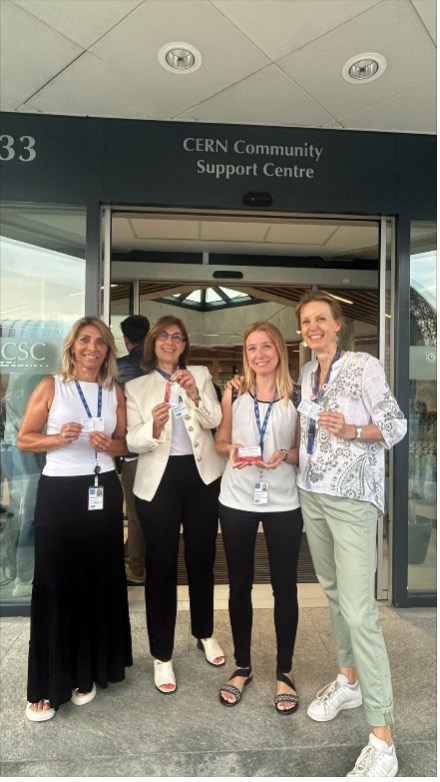
A welcoming front door for the CERN community
On 1 August 2026, the CERN Community Support Centre (CCSC) in Building 33 celebrated its second anniversary. The Centre plays a key role in onboarding newcomers; in June 2026 alone it welcomed around 6900 new arrivals. Working closely with services across the Organization, the team provides efficient first-line support to CERN personnel every day. Congratulations to
-
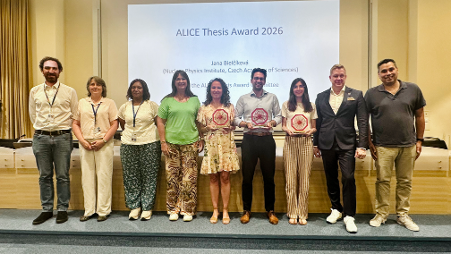
ALICE honours its 2026 PhD Thesis Award winners
On 22 July 2026, the ALICE Collaboration honoured the winners of its PhD Thesis Award during a special ceremony held as part of its meeting at CERN. The ALICE PhD Thesis Award is dedicated to the memory of Karel Šafařík (1953–2024). Since 2008, ALICE has recognised the most outstanding PhD theses based on the excellence of
-
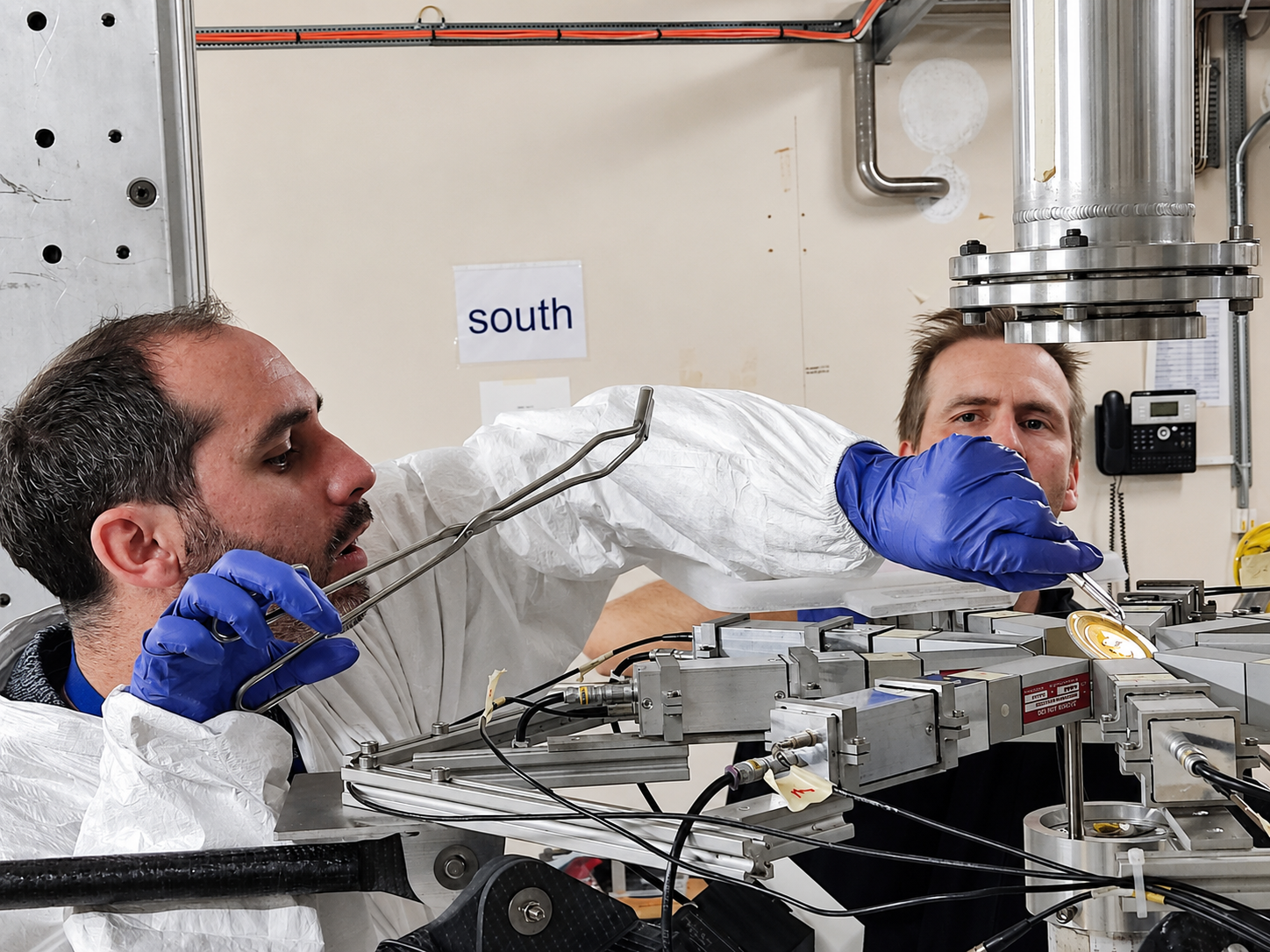
n_TOF experiment sheds light on ancient stardust
Niobium-94, an isotope of niobium with 41 protons and 53 neutrons, is a critical crossroads in the complex nuclear processes that forge heavy elements under the intense pressures and temperatures of dying stars. Writing in Physical Review Letters, the n_TOF Collaboration reports the first ever measurement of the probability of niobium-94 taking one of the
-
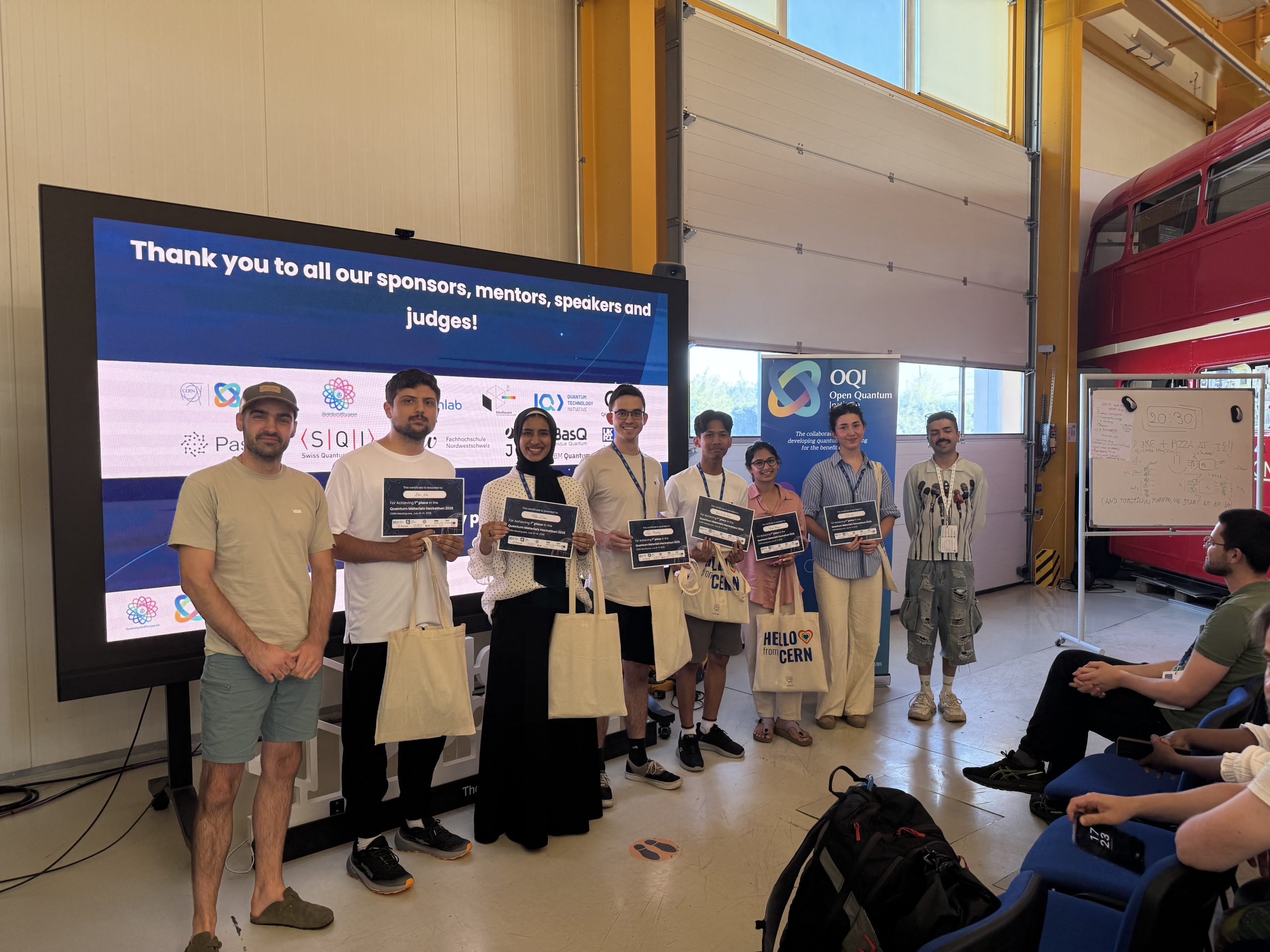
Training the world’s future quantum experts
From 10 to 12 July 2026, CERN hosted the second edition of the Quantum Materials Hackathon at CERN’s IdeaSquare, which brought together 34 students of over 30 nationalities. The students used quantum computing hardware and simulators to tackle real-world problems, guided by mentors from industry and the research community. Quantum materials are particularly important at CERN, as many of the
-
Accelerator Report: Beyond the LHC – CERN’s Beams Keep Science Moving
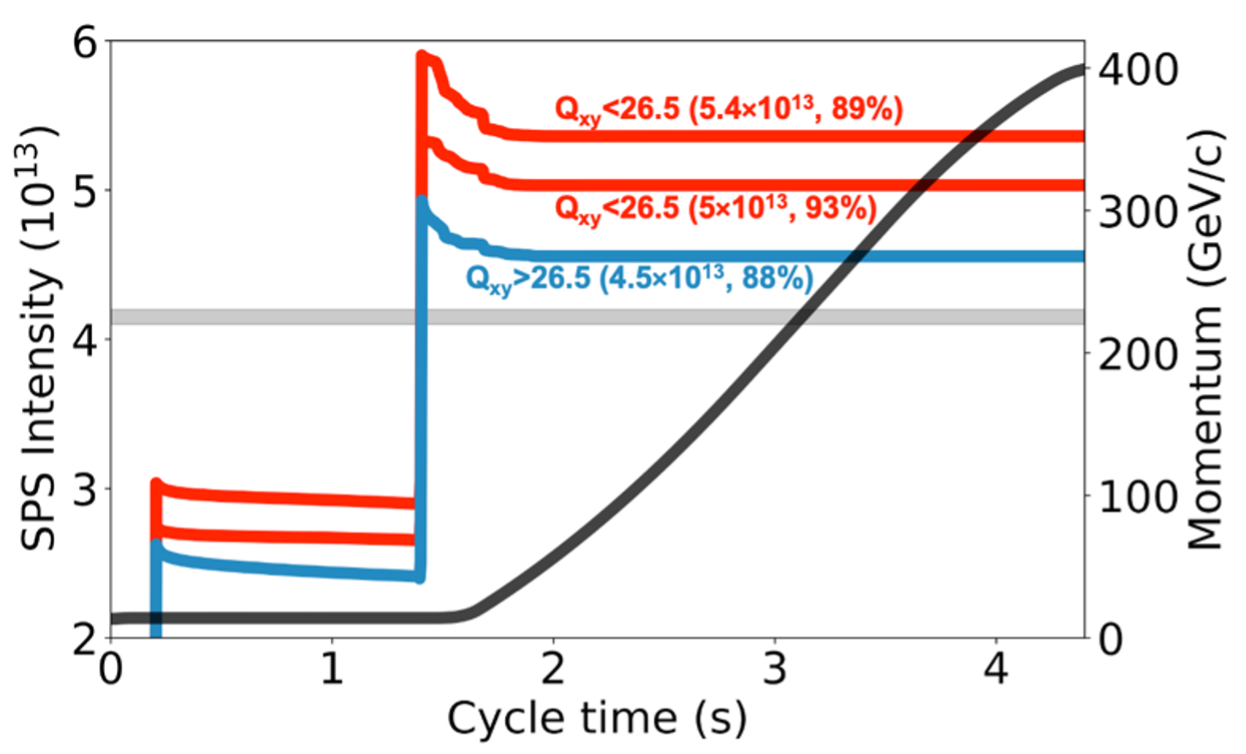
The Large Hadron Collider (LHC) may have entered Long Shutdown 3 (LS3), but across the rest of CERN’s accelerator complex operations remain as busy as ever. The LHC injector chain continues to provide proton beams for a broad range of users, including the ELENA antiproton community, the East and North Area experiments and the n_TOF
-
HiRadMat celebrates 15 years of research
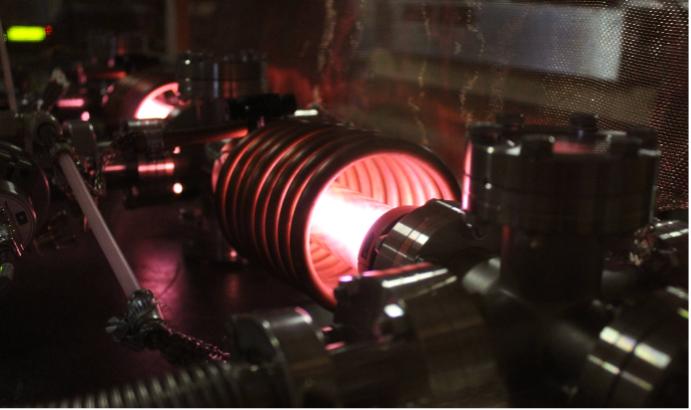
2026 marks the 15th anniversary of the High Radiation to Materials facility at CERN
-

Computer Security: One click to many
More senior colleagues might still recall the regular “clicking” campaigns that were intended to raise security awareness within the Organization among staff and users. With the roll-out of two-factor authentication, such campaigns were dropped. However, the world continues to turn and novel functionality and novel attack vectors try to circumvent our protections. And they have
-

Oxygen collisions at the LHC show new indications of extreme state of matter
One year on from the first-ever collisions of oxygen at the Large Hadron Collider (LHC), the main LHC Collaborations – ALICE, ATLAS, CMS and LHCb – have each reported signs of the state of matter known as quark–gluon plasma (QGP) originating from these collisions. QGP is a state of matter that forms under intense pressure
-
New street names at CERN honour distinguished figures
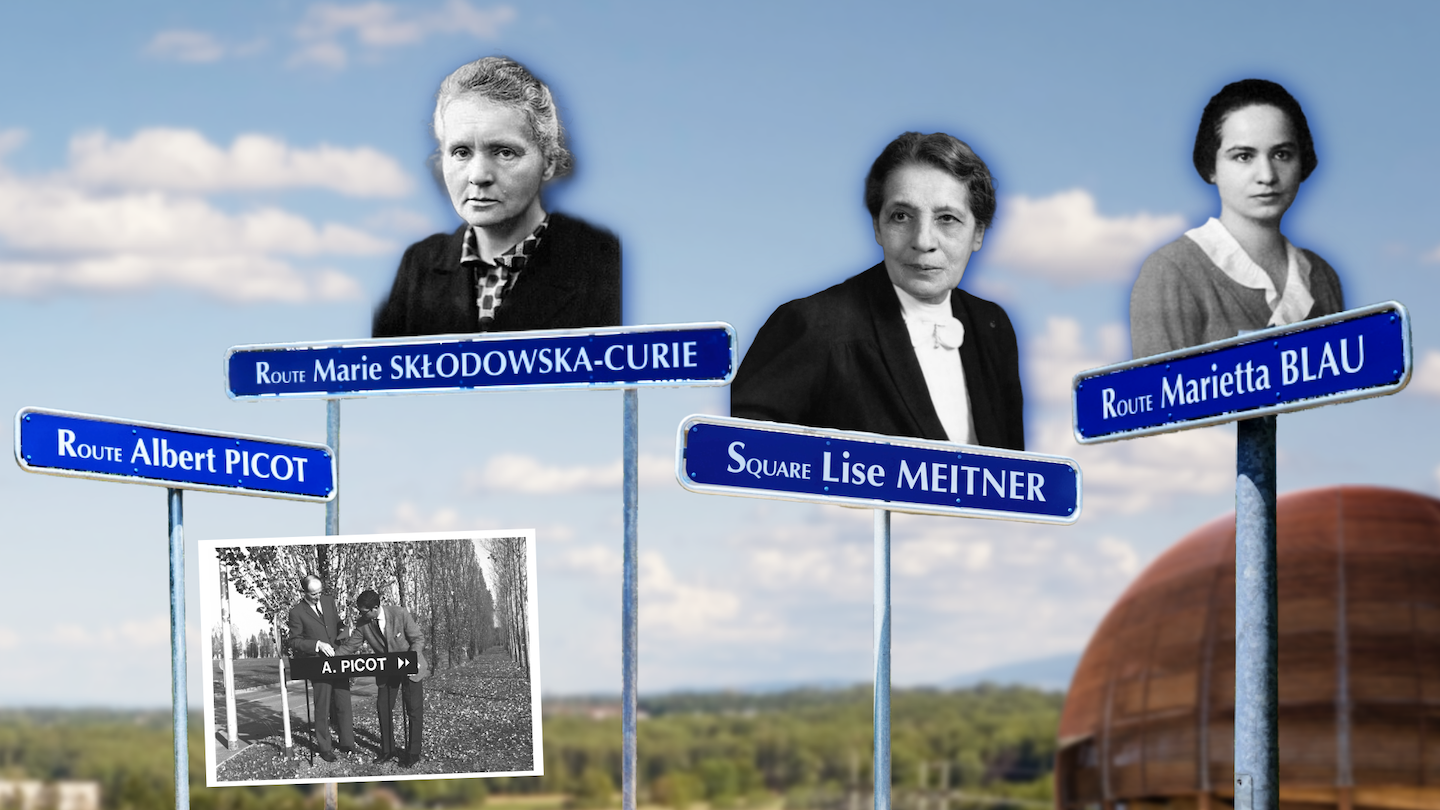
Streets at CERN have carried names since the mid-1960s. While many have been named after renowned figures – historically, mainly men – in science and related fields, others have retained more generic names such as Route des Physiciens and Route des Services. To better reflect the diversity of the people who have contributed to CERN
-
Reading the layers beneath Lake Geneva
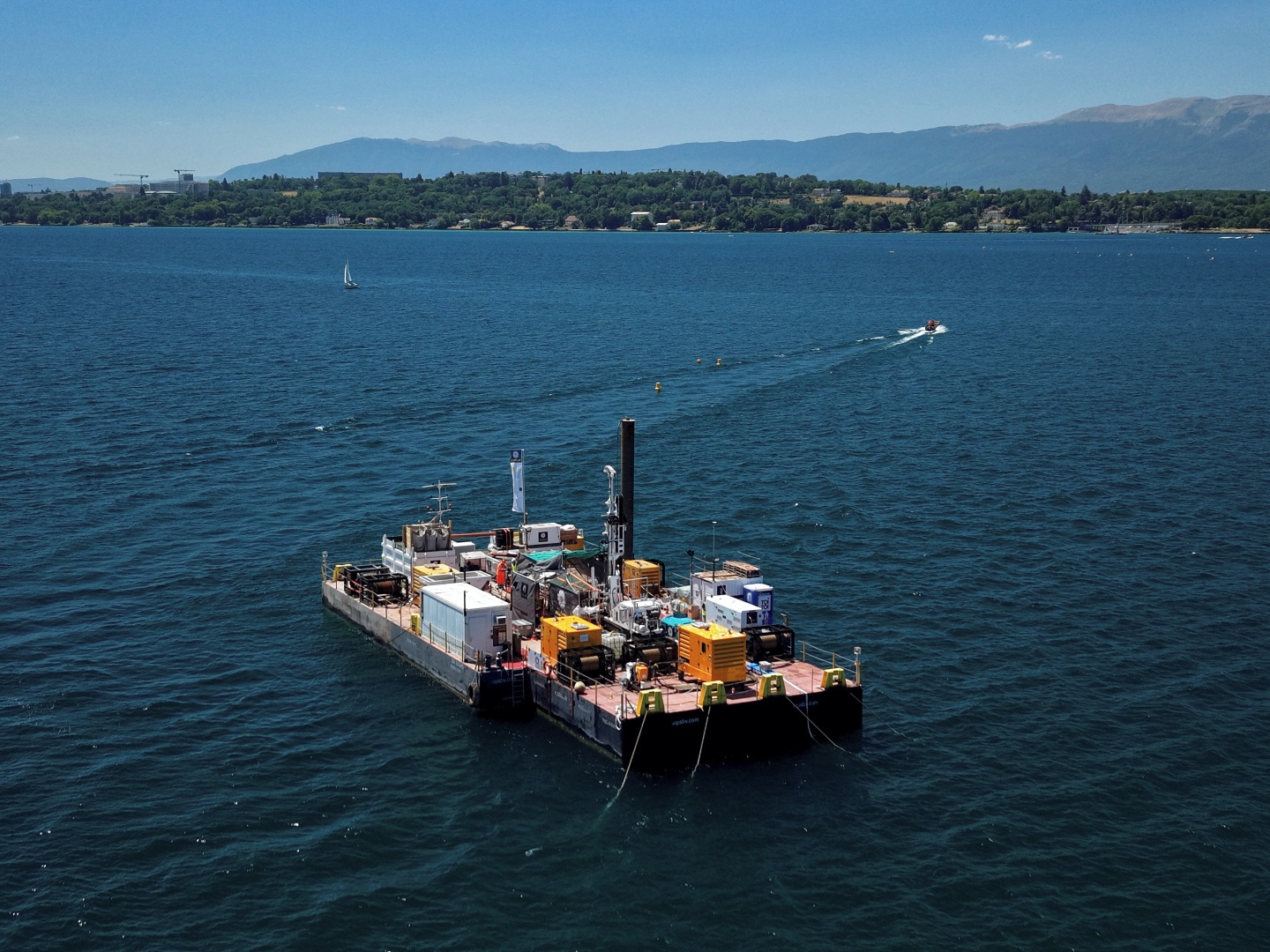
Understanding what lies beneath the surface is essential to assessing any major underground infrastructure project. For the placement studies for the proposed Future Circular Collider (FCC), this means developing the most accurate possible picture of the geological formations along the proposed tunnel route, including beneath Lake Geneva. Investigations on the lake began in 2025 with