
Category: Physics
-
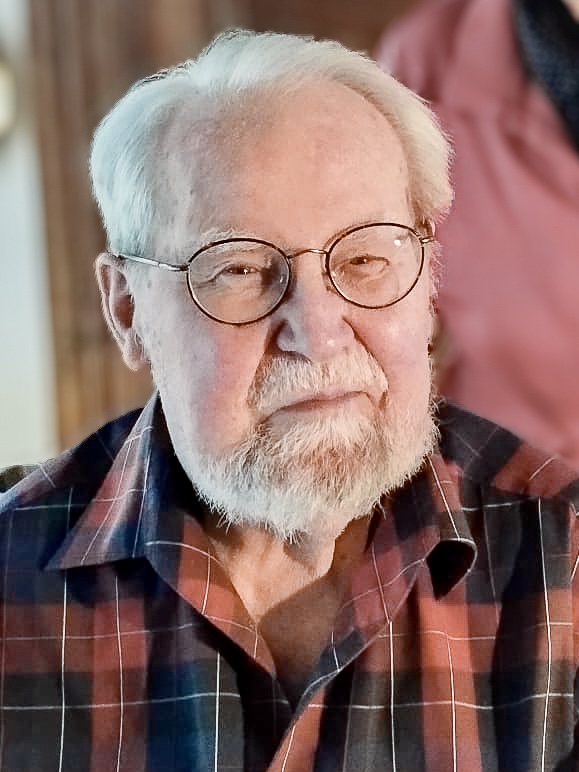
Jens Bisplinghoff (1944 – 2026)
Jens Bisplinghoff (1944 – 2026) — The AMBER Collaboration is deeply saddened by the passing of our dear colleague Jens Bisplinghoff at the age of 81. Jens devoted more than four decades to experimental nuclear and particle physics. He began his scientific career in nuclear physics, conducting research at the University of Bonn, the Nuclear
-
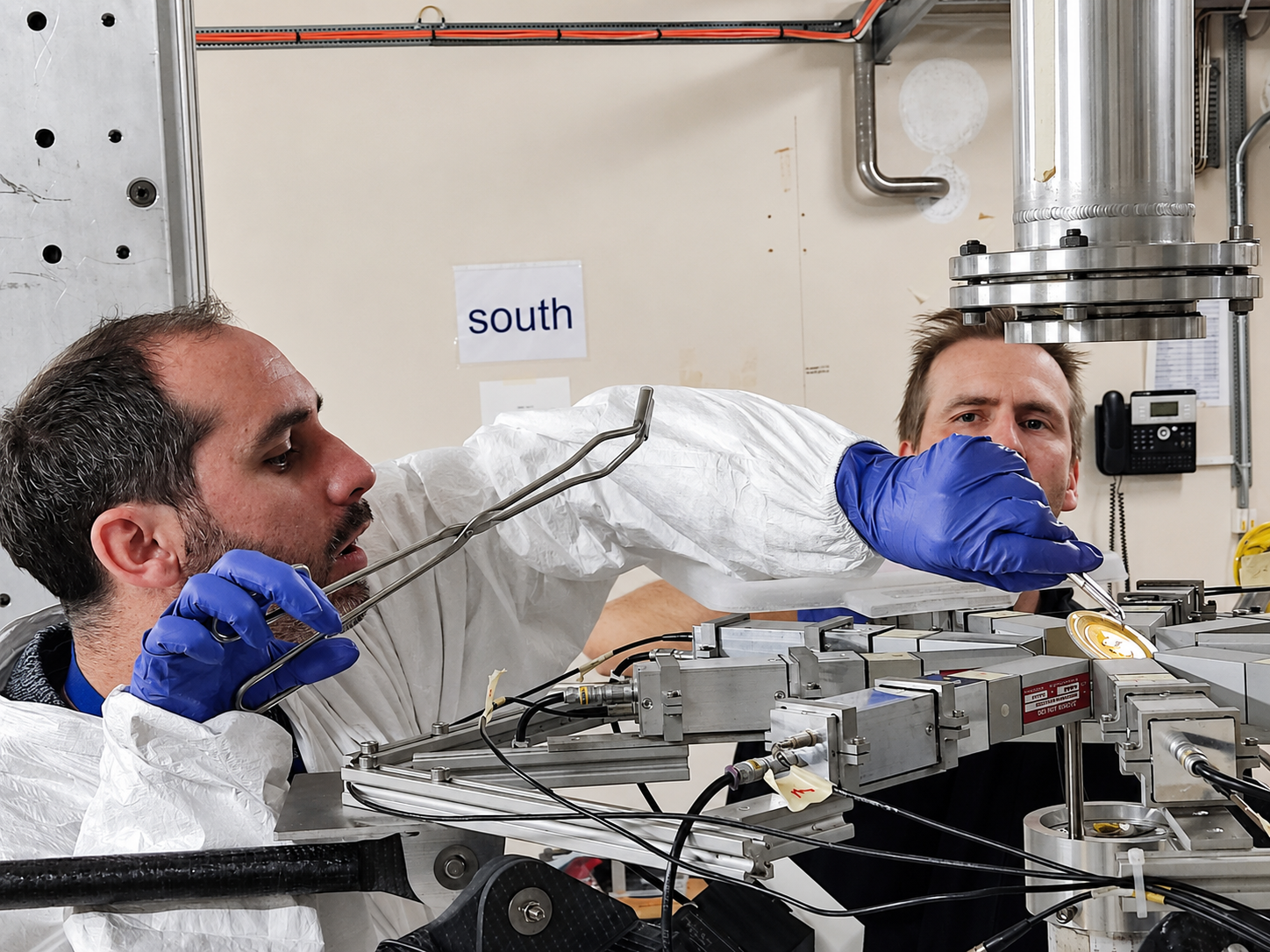
n_TOF experiment sheds light on ancient stardust
Niobium-94, an isotope of niobium with 41 protons and 53 neutrons, is a critical crossroads in the complex nuclear processes that forge heavy elements under the intense pressures and temperatures of dying stars. Writing in Physical Review Letters, the n_TOF Collaboration reports the first ever measurement of the probability of niobium-94 taking one of the
-
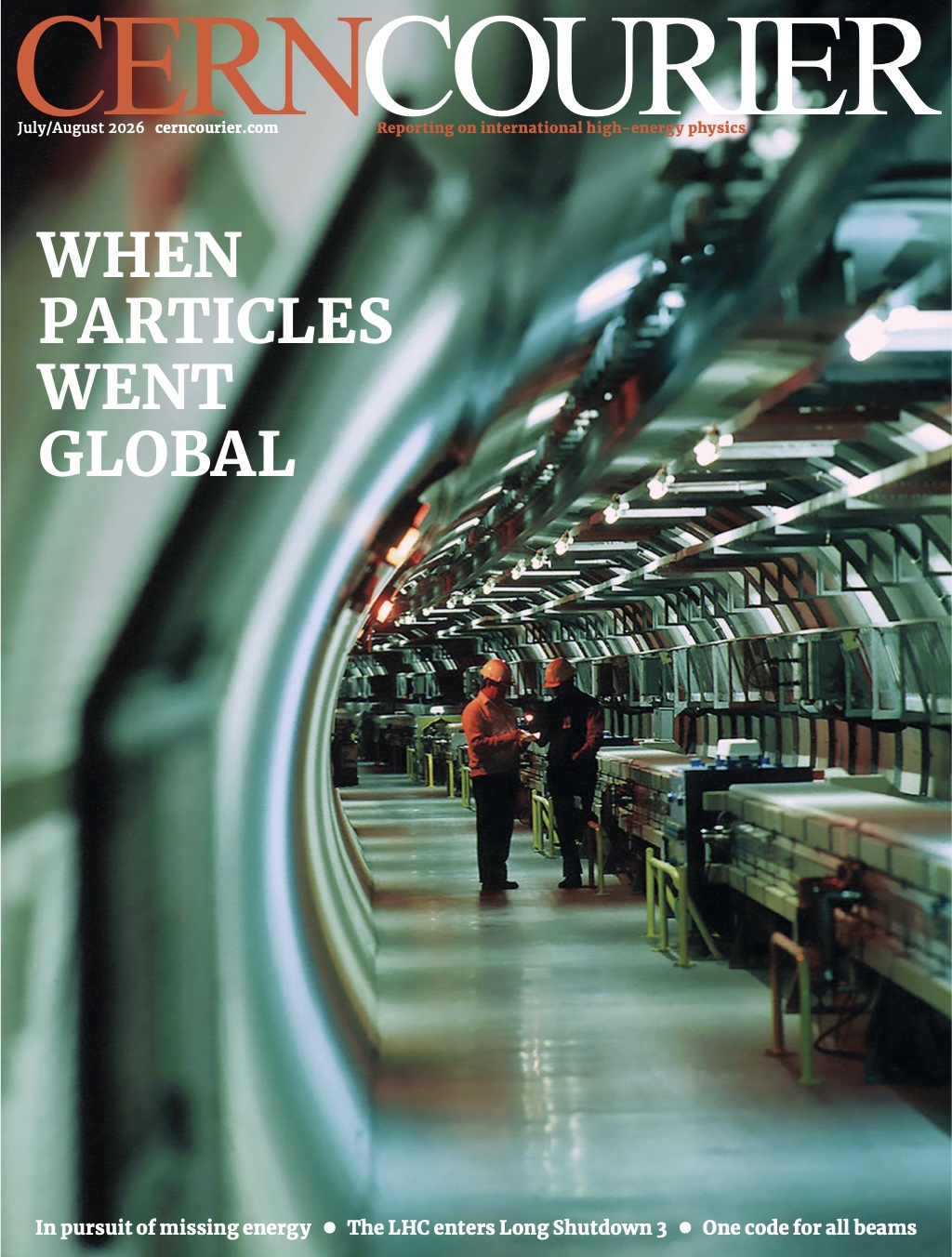
The July/August 2026 issue of the CERN Courier is out
When the Large Electron–Positron collider (LEP) switched on, in 1989, the field had never worked at such a scale. Approved eight years earlier, it collided electrons and positrons until the turn of the century, marking two decades in which discovery truly turned global. Last November, some 200 physicists and historians gathered at CERN to take stock
-

Oxygen collisions at the LHC show new indications of extreme state of matter
One year on from the first-ever collisions of oxygen at the Large Hadron Collider (LHC), the main LHC Collaborations – ALICE, ATLAS, CMS and LHCb – have each reported signs of the state of matter known as quark–gluon plasma (QGP) originating from these collisions. QGP is a state of matter that forms under intense pressure
-
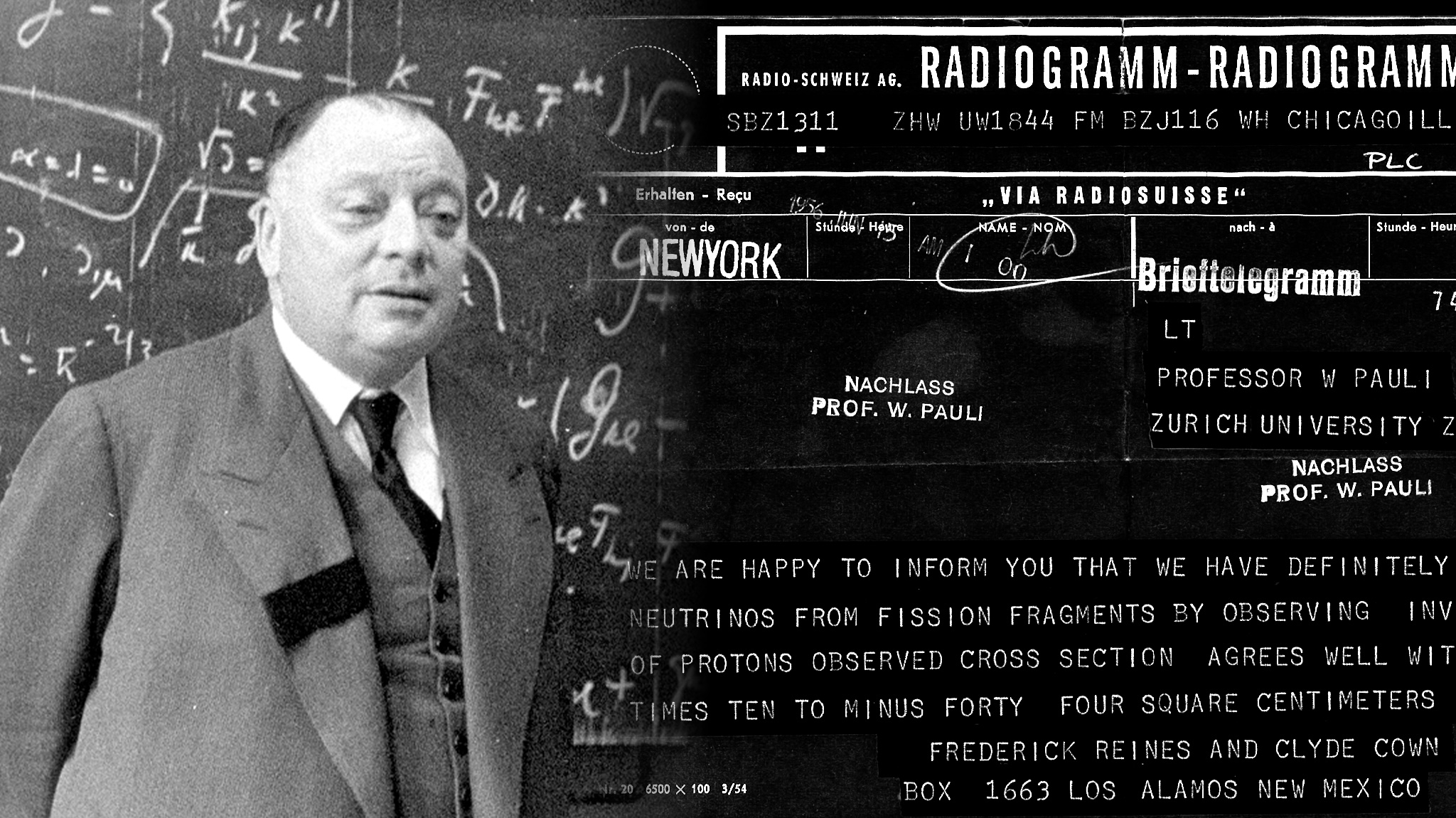
The puzzle of neutrinos, seventy years on
Seventy years ago today, Clyde Cowan, Frederick Reines and their colleagues closed a quarter-century hunt with a paper in Science, having caught neutrinos streaming out of a nuclear reactor in South Carolina. The search had begun in December 1930, when Wolfgang Pauli, in a letter to the “radioactive ladies and gentlemen” gathered at a meeting
-
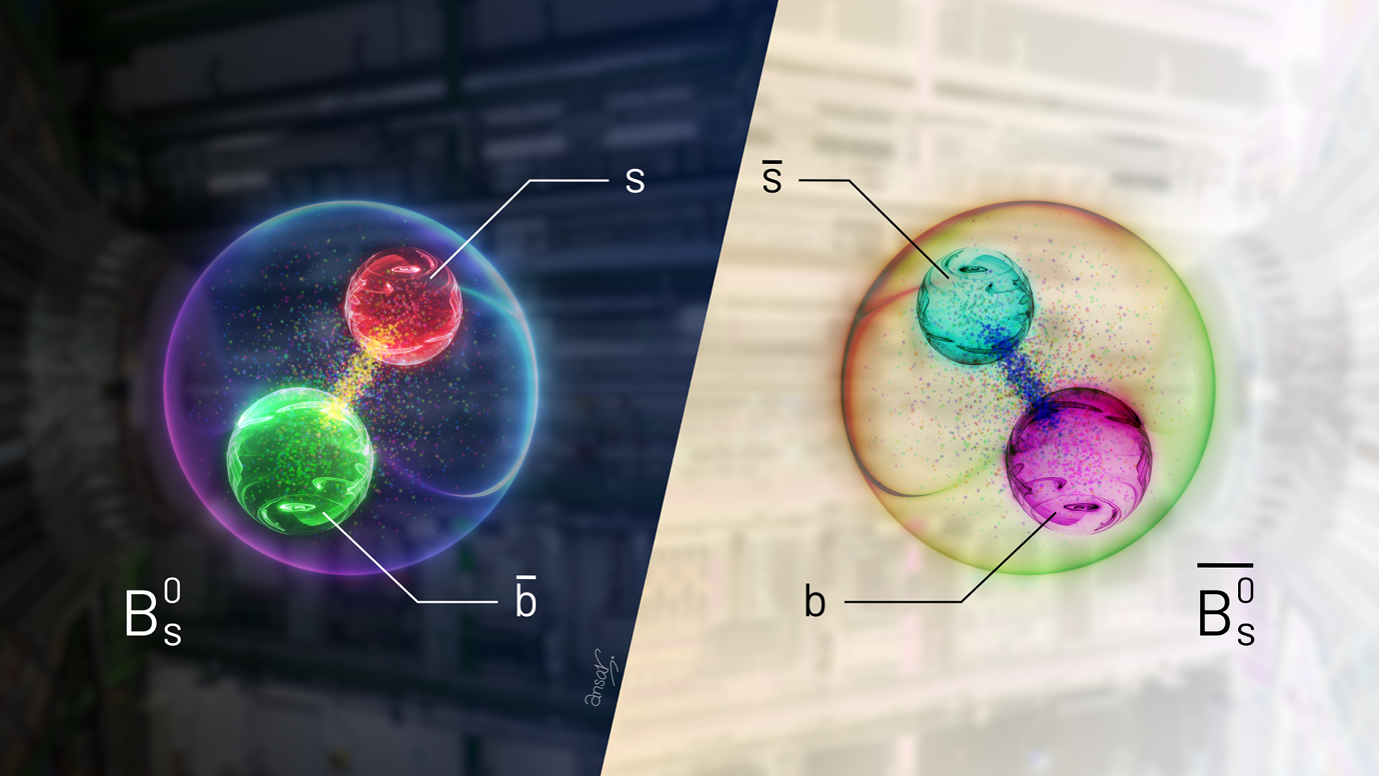
CMS explores subtle matter–antimatter difference using beauty mesons
The CMS experiment uses its largest sample of beauty mesons to date to perform a high-precision test of subtle differences between matter and antimatter
-
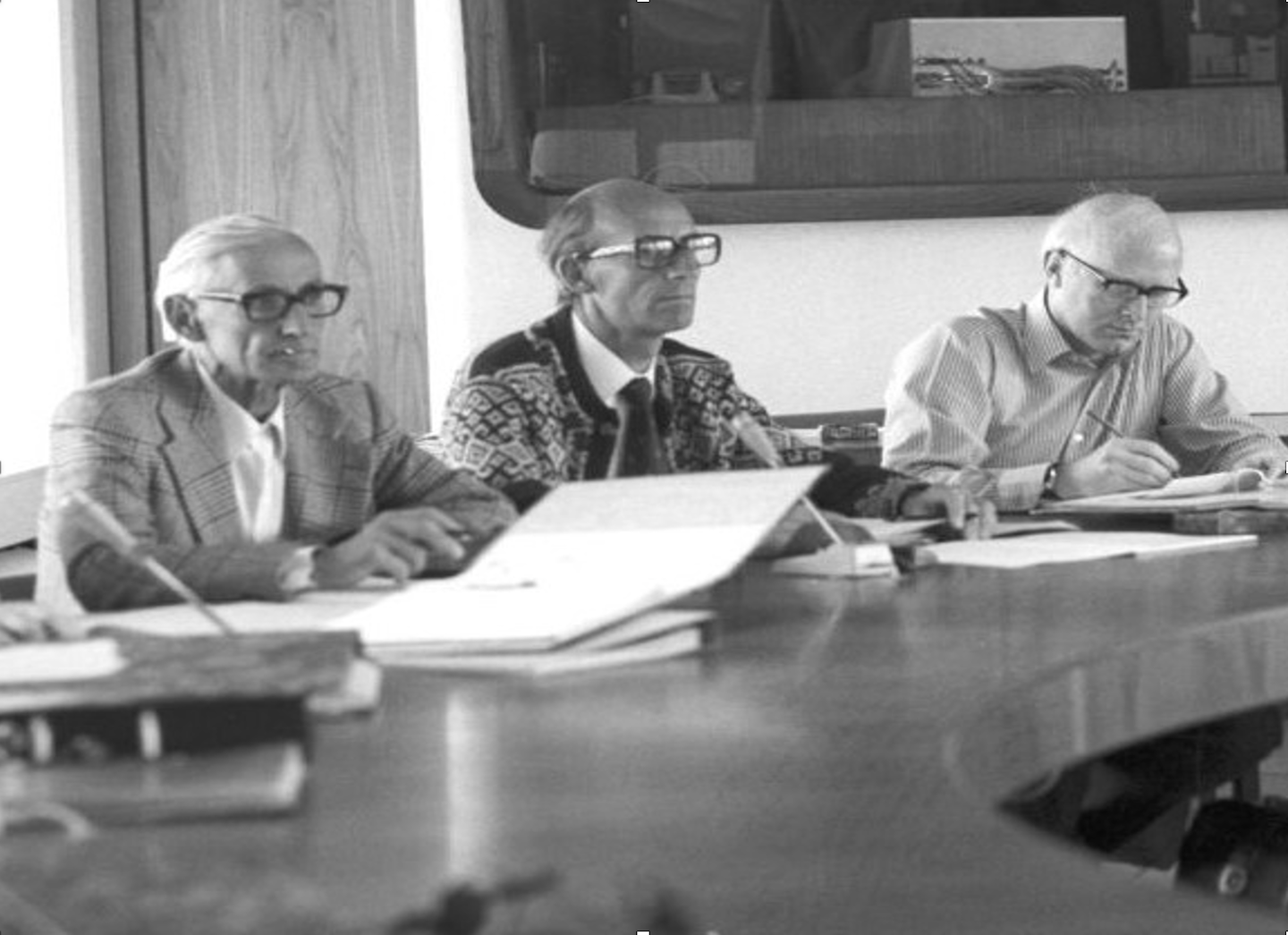
Bernard Royce French (1931–2025)
Bernard Royce French (1931–2025) — Bernard French, a CERN physicist who worked on and led numerous experiments, especially at the OMEGA spectrometer at CERN, died on 5 November 2025 at the age of 94. Bernard was born in 1931 and gained his PhD at Imperial College London in 1958, staying there as a research fellow
-
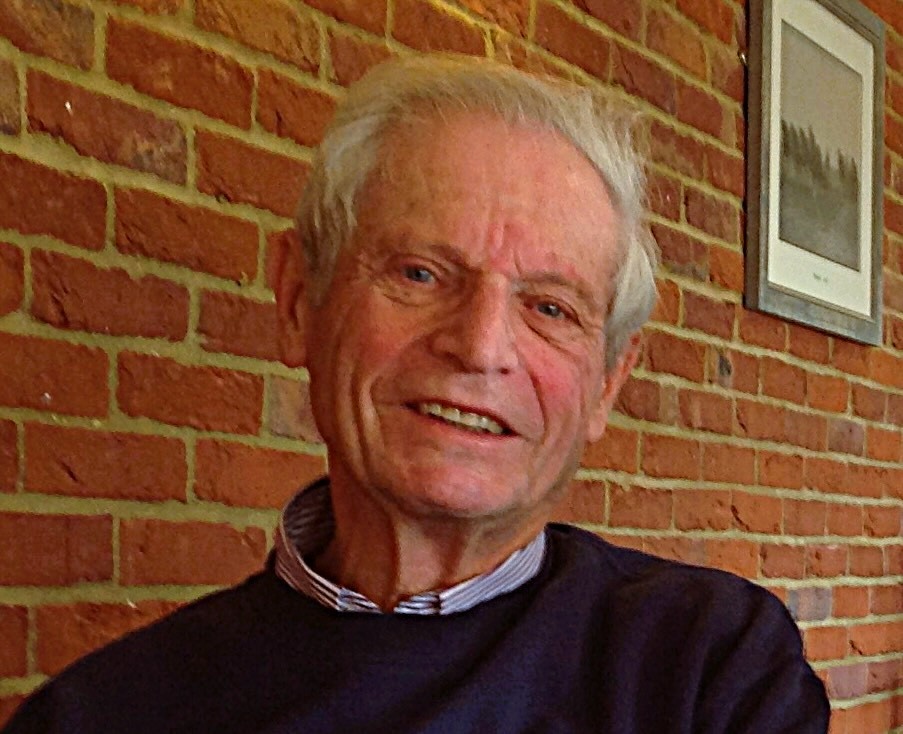
George Kalmus (1935–2026)
George Kalmus (1935–2026) — It is with great sadness that we learned that George Kalmus passed away on 27 May at the age of 91. George had a long and distinguished career in experimental particle physics, not only at CERN, where he played a leading role in many experiments, but also at the Rutherford Appleton
-
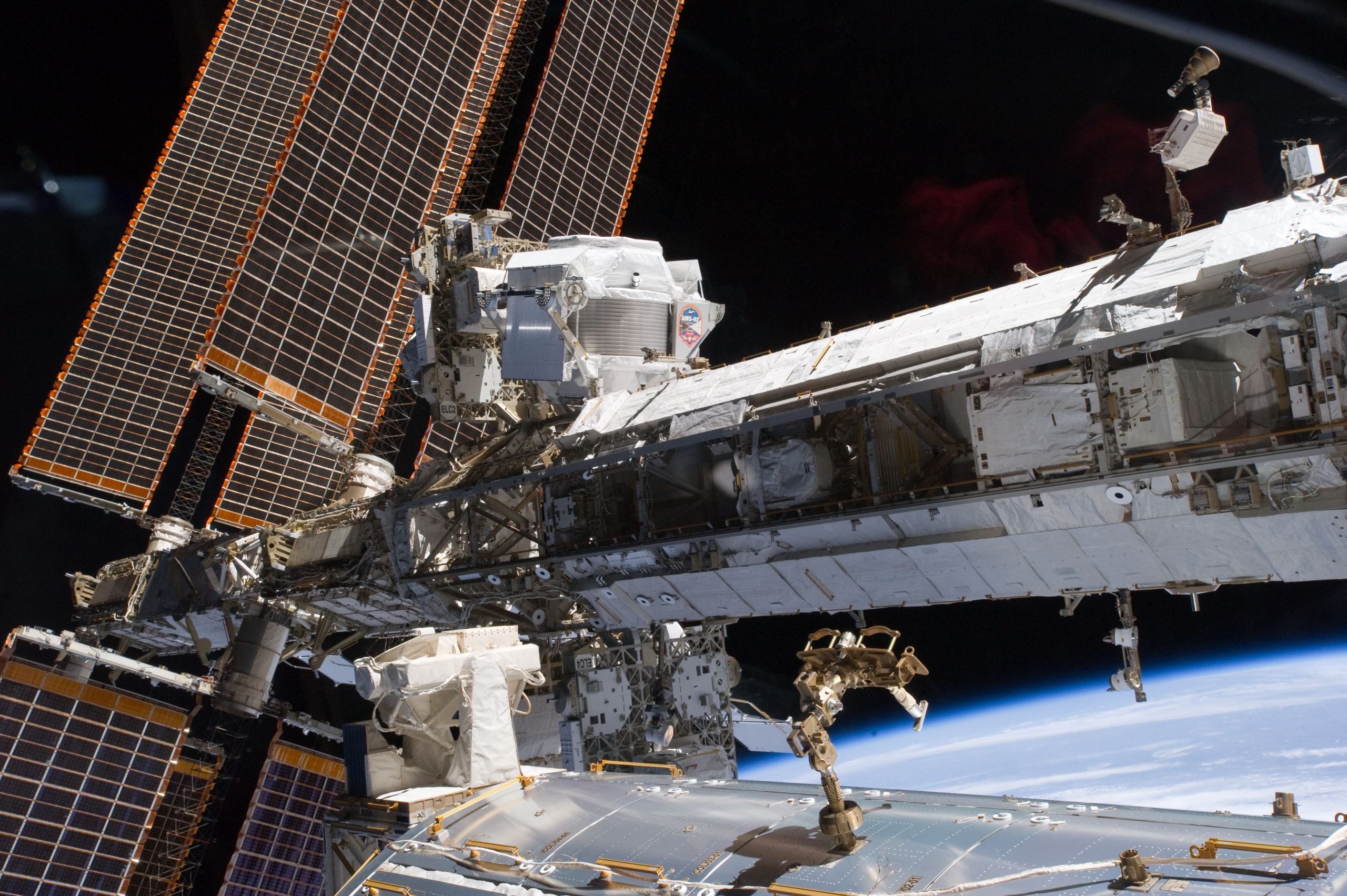
AMS releases new cosmic-ray measurements
Fixed to the International Space Station (ISS) as it speeds around Earth, the Alpha Magnetic Spectrometer (AMS) is constantly measuring high-energy particles that stream from across the Universe, known as cosmic rays. In a recent paper published in Physical Review Letters, the AMS Collaboration reports its first measurements of five heavy elements found amongst these particles. Since it was installed on
-
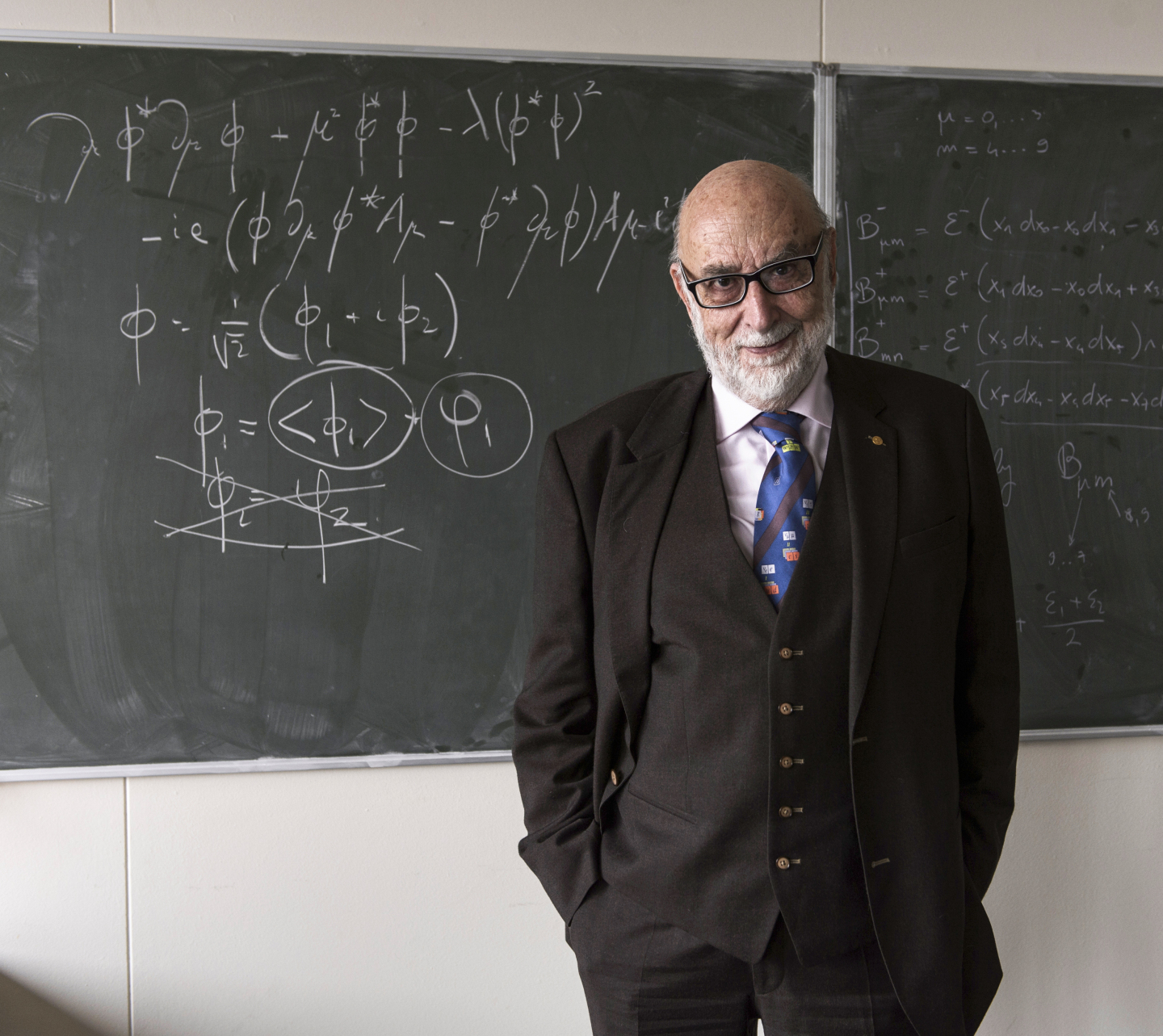
François Englert (1932 – 2026)
François Englert, a Belgian theoretical physicist, passed away on 18 June at the age of 93 in Uccle (Brussels, Belgium). With his associate, Robert Brout, he demonstrated that fundamental particles could acquire mass by interacting with a fundamental field that exists throughout the universe. At the same time, British physicist Peter Higgs had independently hypothesised the existence